
Minneapolis Movers — Post Free, Get Competing Bids
The only Twin Cities moving marketplace where movers compete for your business. Post your move in 3 minutes — free forever. Uptown, North Loop, Nordeast, Edina, Bloomington, Eden Prairie, and beyond.

The Twin Cities' free moving marketplace
Post your move, get competing bids — always 100% free
Minneapolis Neighborhoods & Twin Cities Suburbs We Serve
From Nordeast lofts to Lake Minnetonka estates — MOVEPack covers the entire Twin Cities metro.
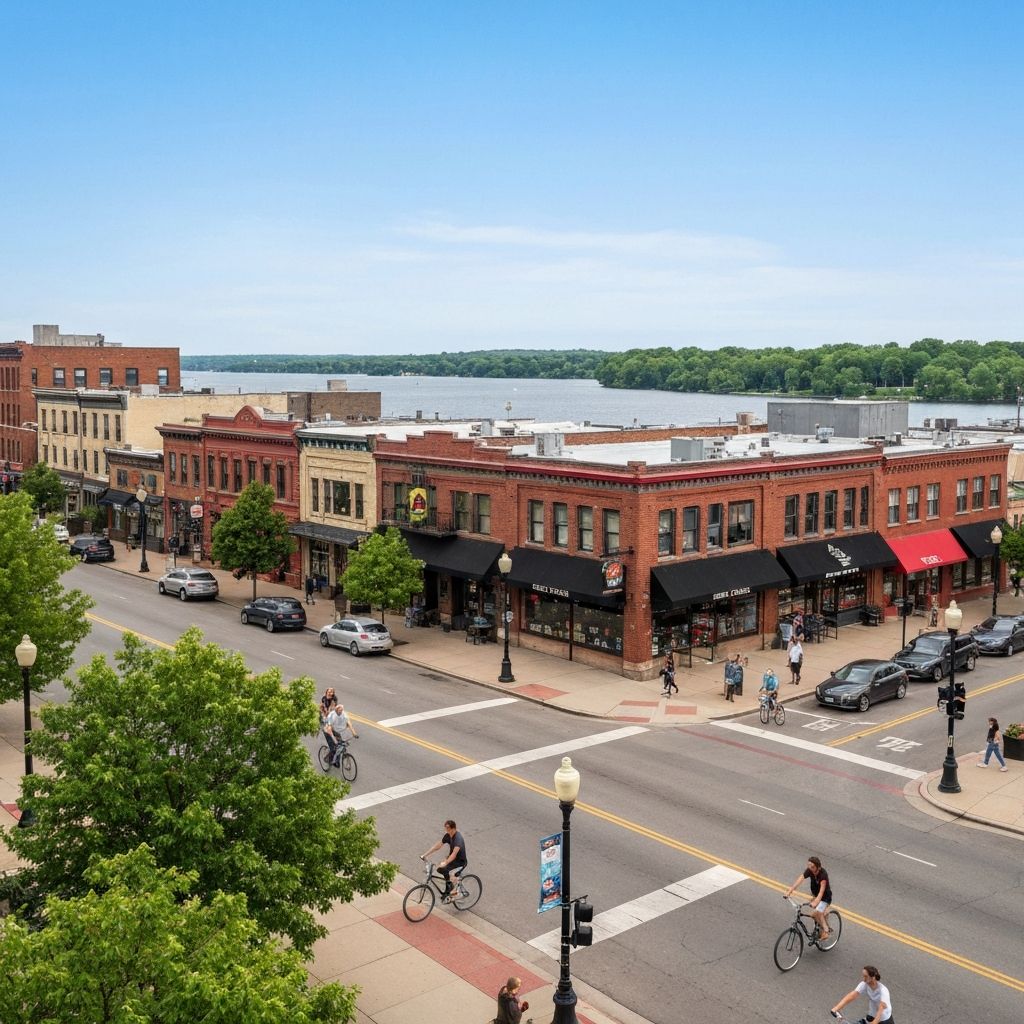 Lakes + Nightlife
Uptown
Minneapolis's most walkable and vibrant neighborhood — Hennepin Ave, Chain of Lakes, and the city's best restaurant row.
 Warehouse District
North Loop
Converted industrial lofts, Target Field, and the city's trendiest restaurant and bar scene adjacent to Downtown.
 Arts District
Northeast (Nordeast)
Nicknamed 'Nordeast' by locals — craft breweries, art galleries, and diverse working-class character.
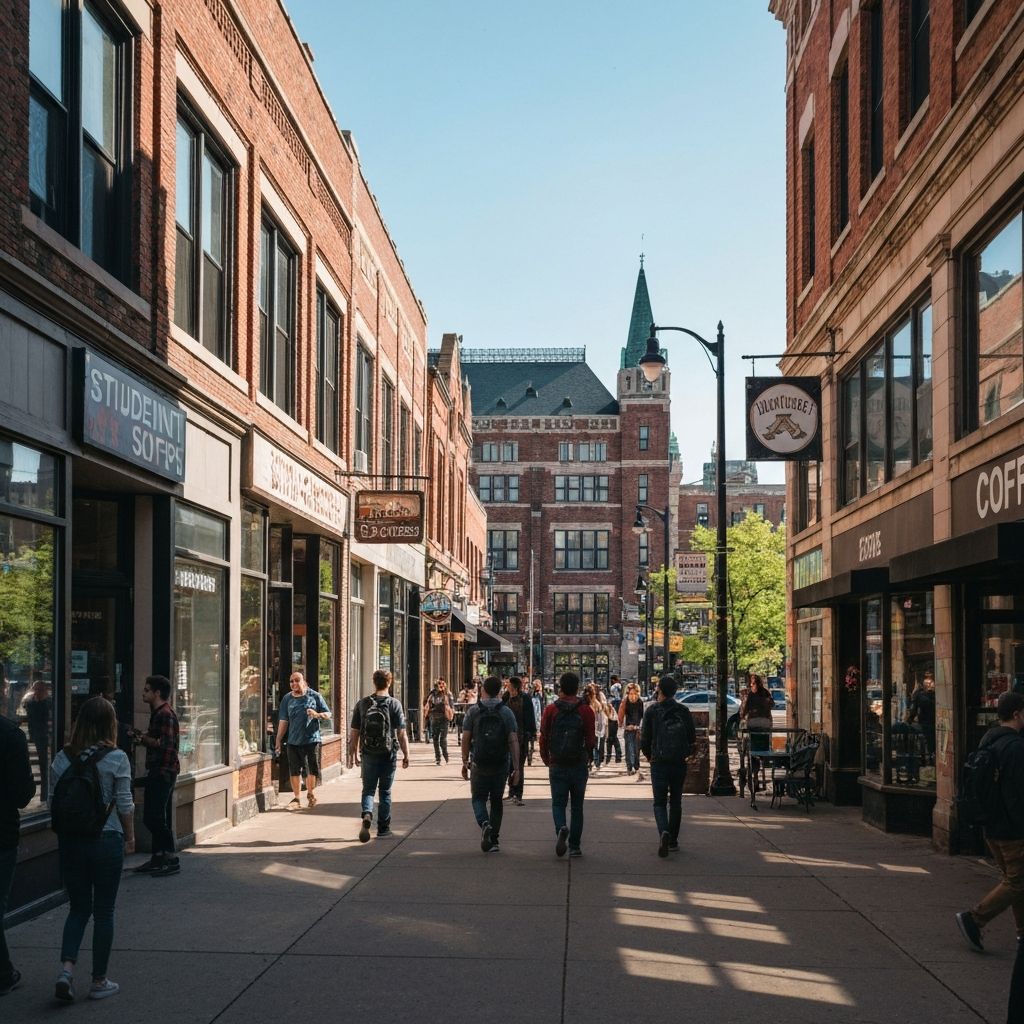 University Area
Dinkytown
The U of M's iconic off-campus neighborhood — student housing, vintage shops, and classic Minneapolis diners.
 Residential Core
South Minneapolis
Craftsman bungalows, Powderhorn Park, Lake Nokomis, and one of Minneapolis's most diverse communities.
 Upscale Suburb
Edina
The 'Cake Eater' suburb — Southdale, 50th & France dining, top-ranked schools, and luxury homes.
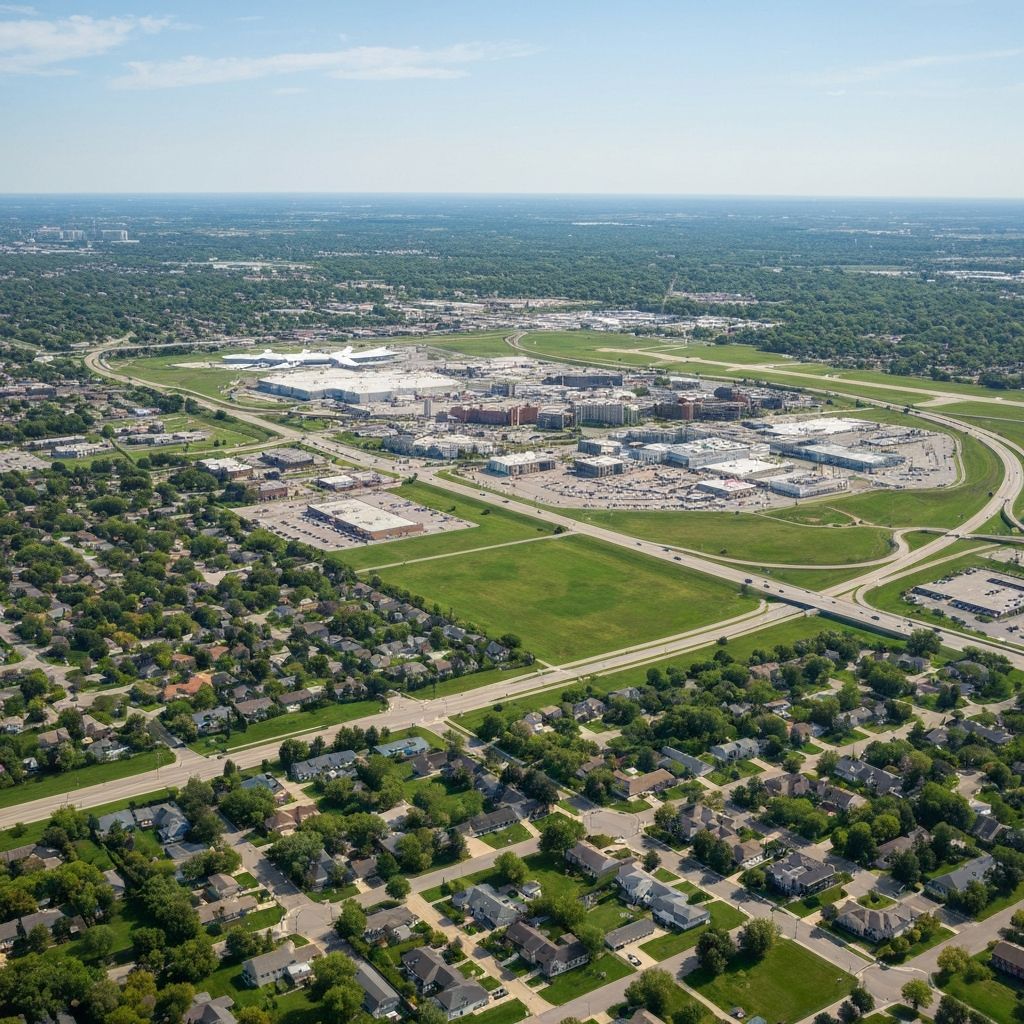 Mall of America
Bloomington
Home to the Mall of America and MSP Airport — affordable suburb with easy I-494 access.
 Tech Corridor
Eden Prairie
Master-planned tech suburb — Optum, C.H. Robinson HQ, excellent schools, and new construction.
 Lake Community
Minnetonka
Lake Minnetonka shoreline living — luxury estates, private docks, and premium western-suburb lifestyle.
 Twin Cities
Saint Paul
Minnesota's capital city — Cathedral Hill, Summit Avenue, Grand Avenue dining, and State Capitol.
Minneapolis Locals Call It Something Different
We cover every neighborhood by its real name and its local slang — because that's how Twin Cities residents actually search.
How MOVEPack Works in Minneapolis
Skip the Craigslist roulette. Post once, let Twin Cities movers compete for your business.
Post Your Move
List your addresses, move size, and desired date. Takes 3 minutes. Always free.
Movers Bid
Verified Minneapolis movers review your job and submit competitive price bids.
Compare & Choose
Review bids, read reviews, and message movers on the public board before deciding.
Move Day
Your mover handles everything. It's completely free to use — no platform fees, no hidden charges.
Minneapolis Moving Cost Guide 2026
What Twin Cities moves typically cost — before competing bids bring prices down.
Local Minneapolis Moves
Long-Distance from Minneapolis
Estimates only. Actual bids from Minneapolis movers are often 15–31% lower.
Minneapolis Seasonal Moving Guide
Minnesota weather is extreme — it shapes every Minneapolis move. Plan accordingly.
Winter (Dec–Feb)
Lowest PricesMinneapolis winters are brutal — average January high of 22°F, frequent blizzards, and black ice make winter moves the hardest in the US. But prices are 25–40% lower. Movers use floor runners and door covers. Allow 50% extra time.
Spring (Mar–May)
Rising DemandSpring thaw brings mud season. Roads and driveways can be soft March–April. May is popular for end-of-lease moves at U of M and other colleges. Book 3–4 weeks ahead for May move dates.
Summer (Jun–Aug)
Peak SeasonMinneapolis summer is glorious — the best weather window for moving. Peak demand June–August with the highest prices of the year. Book 6–8 weeks ahead. Weekend summer dates fill within days of posting.
Fall (Sep–Nov)
Best ValueThe sweet spot for Twin Cities moves — pleasant weather, lower prices than summer, and movers available. September is still busy with post-summer moves. October is ideal. By November, prices drop and winter prep begins.
Why Twin Cities Residents Use MOVEPack
Minneapolis has dozens of moving companies — but finding the right one without getting overcharged is hard. MOVEPack flips the script: post your move once, let verified Twin Cities movers compete for your business. No more calling six companies and getting wildly different quotes. Real prices, real competition, real savings.
Minneapolis Neighborhood Moving Guide
Every Minneapolis neighborhood has different streets, housing stock, and access challenges. Here's what to know.
Uptown
Lakes + BarsHigh density of apartments and condos along Hennepin and Lake Street. On-street parking is extremely limited — coordinate a truck loading zone with building management. Many buildings have no elevator so 3rd-floor walk-ups are common.
- No parking on Hennepin without permit
- Walk-up apartments common
- Chain of Lakes access roads are narrow
North Loop / Warehouse
Lofts + Target FieldConverted warehouse lofts with freight elevators and loading docks from their industrial past. Most buildings require elevator reservations. On Twins home game days, the entire North Loop becomes gridlocked — never schedule a move on a home game day.
- Freight elevator reservations required
- Avoid Twins home game days
- Loading docks available in most buildings
Northeast (Nordeast)
Arts + BreweriesA mix of older single-family homes, duplexes, and newer apartments. Central Avenue and University Avenue NE are the main commercial spines — avoid moving on busy weekends. Streets are generally wide and accessible for trucks.
- Good street access for large trucks
- Mix of old homes and new apartments
- Active arts festival weekends — check calendar
South Minneapolis
Bungalows + DiversityDense residential blocks of craftsman bungalows built 1900–1930. Streets are tree-lined with cars parked on both sides — standard 26-foot trucks fit but require careful maneuvering. Lake Nokomis and Powderhorn Park area homes are highly sought-after.
- Tight tree-canopied streets
- Craftsman doorways may be narrow
- Park cars day-before to reserve truck space
Dinkytown
University / StudentsThe U of M student neighborhood sees its highest move activity in late April and late August — end-of-lease chaos. If you're moving in August near the U, book 6+ weeks ahead. The area is dense with apartments and parking is nearly impossible without a permit.
- Book 6+ weeks ahead for August moves
- Parking permits essential
- High-volume lease-end move season
Edina / Minnetonka
Cake Eater SuburbsWide suburban streets, large lots, and spacious driveways make these suburbs the easiest in the metro for moving trucks. Most HOAs require advance notice. Lake Minnetonka estates may have private gated driveways — confirm access before booking.
- Easy truck access on wide streets
- HOA move notifications required
- Long private drives on lake estates
Popular Move Routes from Minneapolis
Where Twin Cities residents move most often — with realistic cost estimates.
Classic urban upgrade move — warehouse loft from apartment
Suburban move to Cake Eater country — 50th & France lifestyle
Cross-river move — Grand Avenue, Cathedral Hill, or Lowertown
Tech corridor move — Optum, C.H. Robinson, UnitedHealth employees
Lake lifestyle upgrade — Lake Minnetonka shores
Most common inbound long-distance route to Twin Cities
Estimates only. Post your move free to receive real competing bids.
Living in Minneapolis
Why People Move to Minneapolis
Minneapolis consistently ranks as one of America's most livable cities — a surprising claim for a metro with -20°F windchills in January, but one that residents will enthusiastically defend. The city combines big-city cultural amenities with a cost of living significantly below coastal metros, a Fortune 500 corporate cluster (Target, UnitedHealth, Best Buy, 3M, General Mills, Cargill), and one of the best park systems in the country.
The Chain of Lakes — Calhoun (now Bde Maka Ska), Harriet, Isles, and Cedar — creates a 13-mile connected parkway that is the heartbeat of the city. In summer, it's packed with cyclists, runners, kayakers, and paddleboarders. In winter, ice fishing shanties appear on frozen Lake Harriet.
Minneapolis also has a world-class arts scene anchored by the Guthrie Theater, the Walker Art Center, and First Avenue music venue — where Prince performed for decades. The city's food scene, led by chefs like Andrew Zimmern and a strong Somali, Hmong, and Mexican culinary presence, rivals much larger metros.
Minneapolis Landmarks & Key Spots
Minneapolis Moving Checklist
A complete timeline tailored to Twin Cities winters, Twins game days, and student move seasons.
4–6 Weeks Before
- Post your move on MOVEPack — include full addresses, home size, floor number, and elevator access
- Check the Minnesota Twins home game schedule and avoid Target Field game days if moving near North Loop
- If moving near the U of M in late April or August, book immediately — dates fill weeks in advance
- For winter moves: verify your mover's cold-weather and snow protocol
- Contact building management to reserve freight elevator if moving to/from a condo or apartment
2–3 Weeks Before
- Confirm your mover — verify they carry Minnesota-required liability insurance
- Notify Xcel Energy, CenterPoint Gas, internet, and trash pickup of your move date
- Update address with USPS, bank, employer, DMV (Minnesota DVS), and voter registration
- Reserve truck parking space on your street the night before — place cones or chairs to hold it
- Begin packing non-essentials: books, seasonal items, garage storage
Move Week
- Check the 10-day weather forecast — winter snowstorms may require rescheduling
- Prepare an essentials bag: medications, chargers, warm layers (critical in winter), toiletries
- Salt and shovel your walkway the morning of a winter move — movers appreciate the safety
- Defrost freezer and clean refrigerator — never move a full frozen freezer
- Confirm arrival time and truck size with your mover — verify they know your building's rules
Move Day
- Be present when movers arrive — walk them through home and flag any access concerns
- Put down floor runners to protect hardwood floors from muddy or wet winter boots
- Keep the path clear between truck and door — especially important in snow and ice
- Do a final walkthrough of your old home before leaving — check all closets, basement, and garage
- Inspect all items at delivery before signing — note any damage immediately
- Leave a MOVEPack review — help other Twin Cities residents find great movers
Minneapolis Moving FAQs
How much does it cost to move in Minneapolis?
Local Minneapolis moves typically cost $300–$1,800 depending on home size, with studio moves on the low end and 4BR homes on the high end. Post on MOVEPack to get competing bids from verified Twin Cities movers — most users save 15–31% vs. calling movers directly.
When is the best time to move in Minneapolis?
October is the sweet spot — pleasant weather, reasonable prices, and mover availability. Summer (June–August) offers the best weather but peak prices and availability constraints. Winter moves are the cheapest (25–40% lower) but require planning for Minnesota blizzards and ice.
Do Minneapolis movers charge more in winter?
Actually the opposite — winter is the cheapest time to move in Minneapolis because demand drops sharply. However, moves take longer due to snow/ice conditions, so the per-hour rate may apply for more hours. Ask your mover about their winter weather policy.
What is 'Nordeast' and do movers serve it?
Nordeast is the local slang for Northeast Minneapolis — used by virtually all Minneapolis residents. All MOVEPack movers who serve Minneapolis cover Nordeast. When posting your move, just list your full address on NE 4th Street, Central Ave, etc. and movers will know the area well.
Does MOVEPack cover suburbs like Edina, Bloomington, and Eden Prairie?
Yes — MOVEPack covers the full Twin Cities metro including all suburbs. Edina, Bloomington, Eden Prairie, Minnetonka, Wayzata, Plymouth, Maple Grove, Woodbury, and Saint Paul are all served. Post your move with your actual addresses and movers will bid on the full route.