
Portland Neighborhoods We Serve
Find movers who know your specific neighborhood — not just the city.
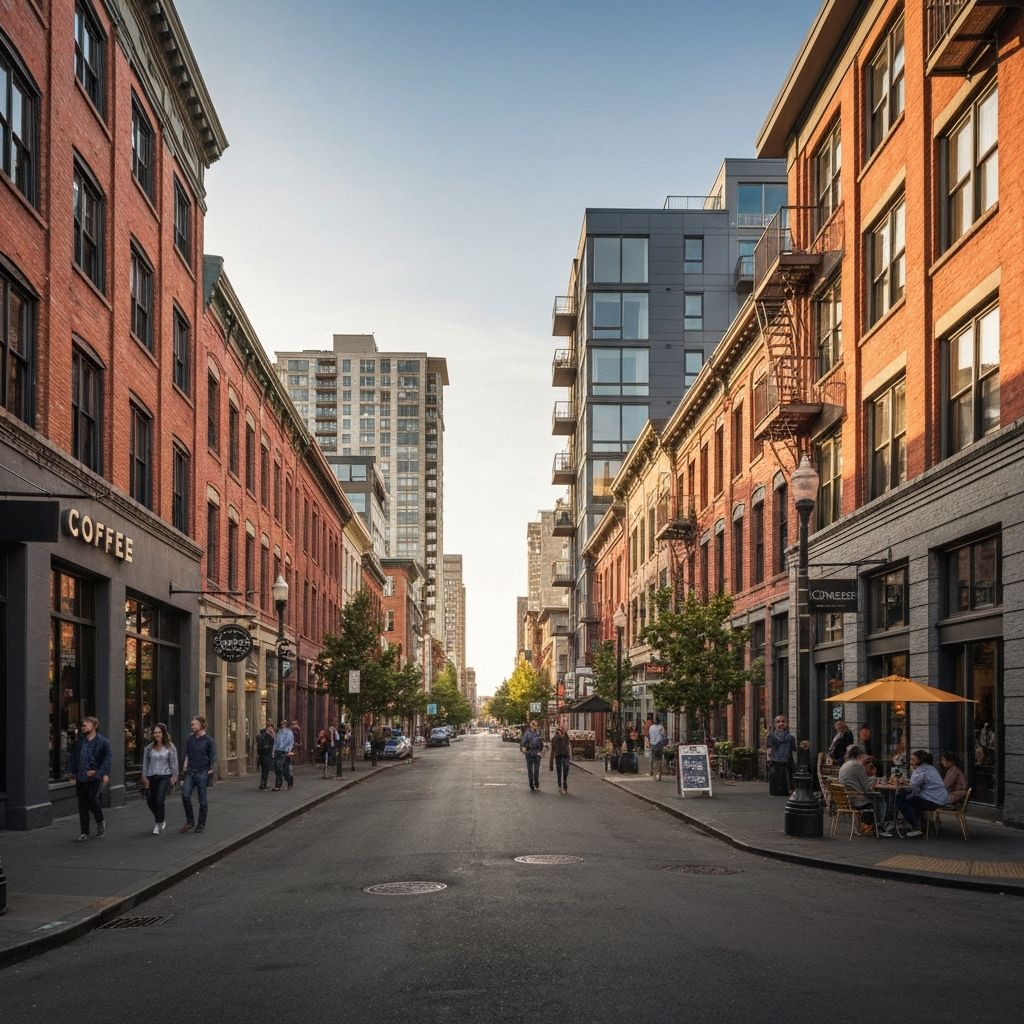 Luxury Lofts
Pearl District
Converted warehouse lofts, luxury condos, Powell's Books, world-class galleries, and the best walkability in Portland.
Powell's Books, Jamison Square, Tanner Springs Park
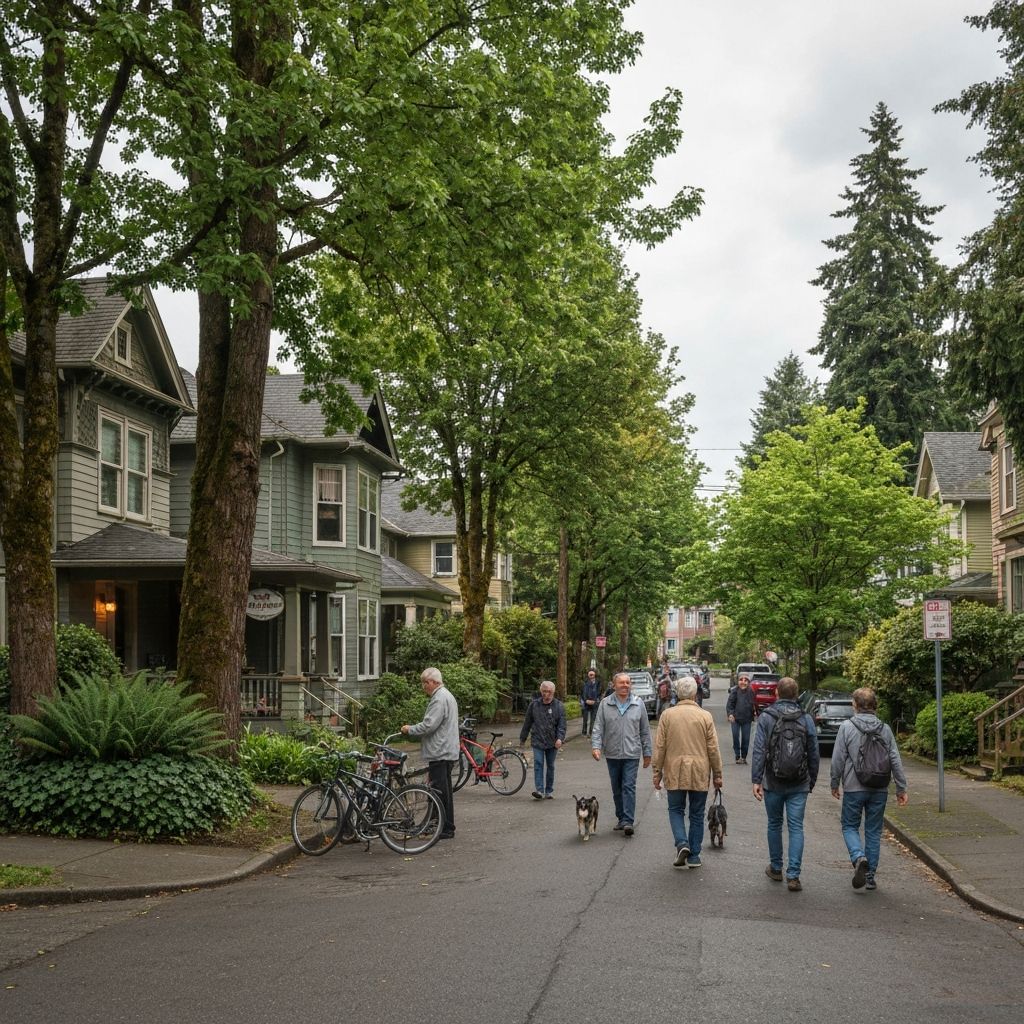 Hip & Residential
SE Portland / Hawthorne
Craftsman bungalows, Division Street dining scene, Hawthorne Blvd boutiques, and Portland's most diverse neighborhood fabric.
Hawthorne Blvd, Division Street, Ladd's Addition
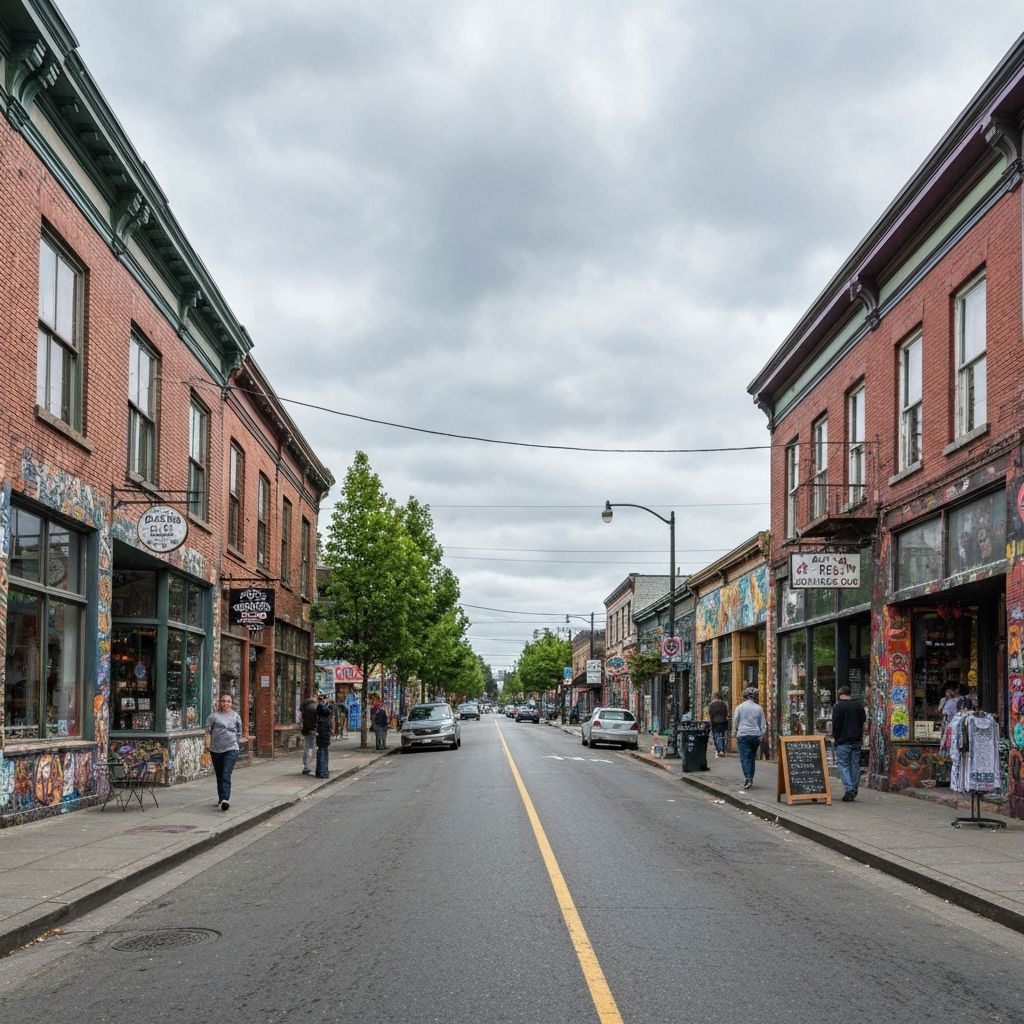 Arts District
NE Portland / Alberta Arts
Alberta Arts District murals, Mississippi Ave restaurants, and classic Portland bungalows on tree-lined streets.
Alberta Street, Mississippi Ave, Irvington
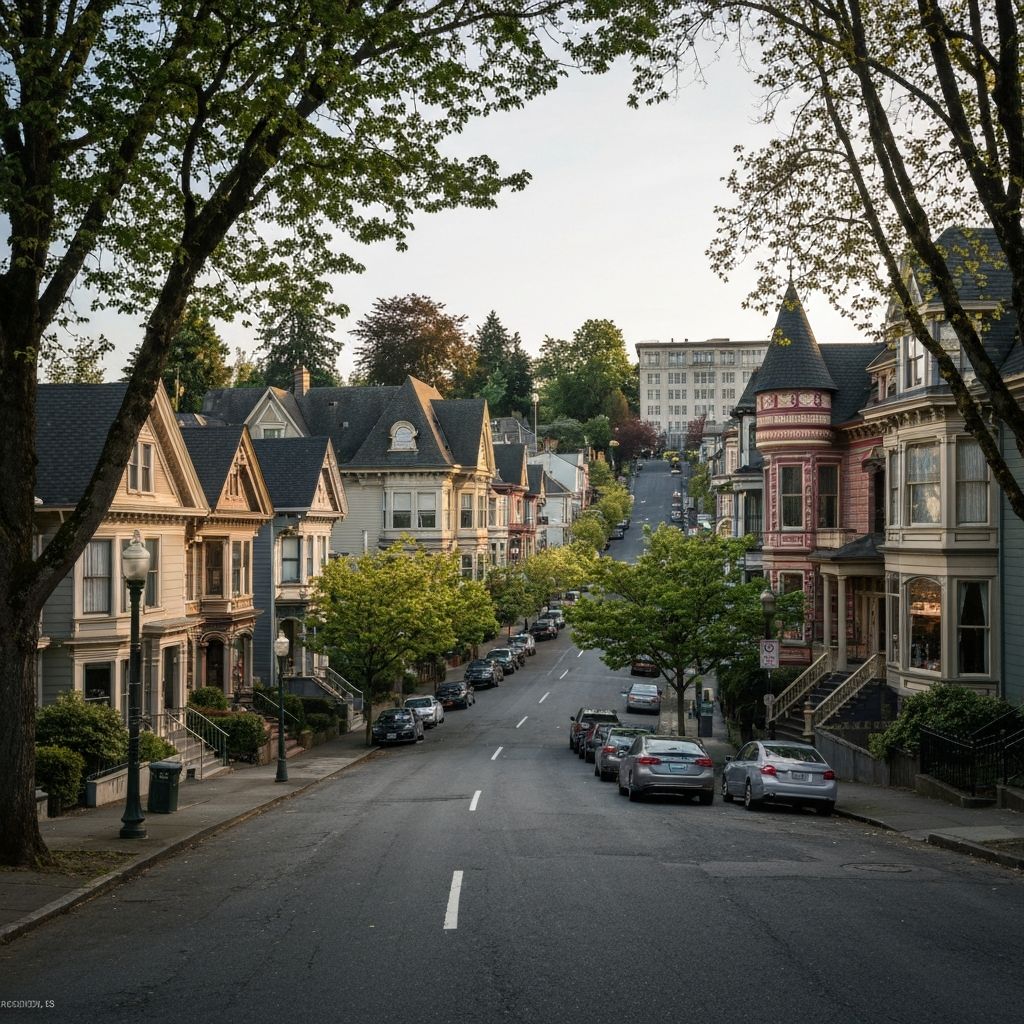 Upscale Urban
NW Portland / Nob Hill
NW 23rd Avenue boutiques, Victorian architecture, Forest Park trailheads, and Portland's most elegant residential streets.
NW 23rd Ave, Forest Park, Thurman Street
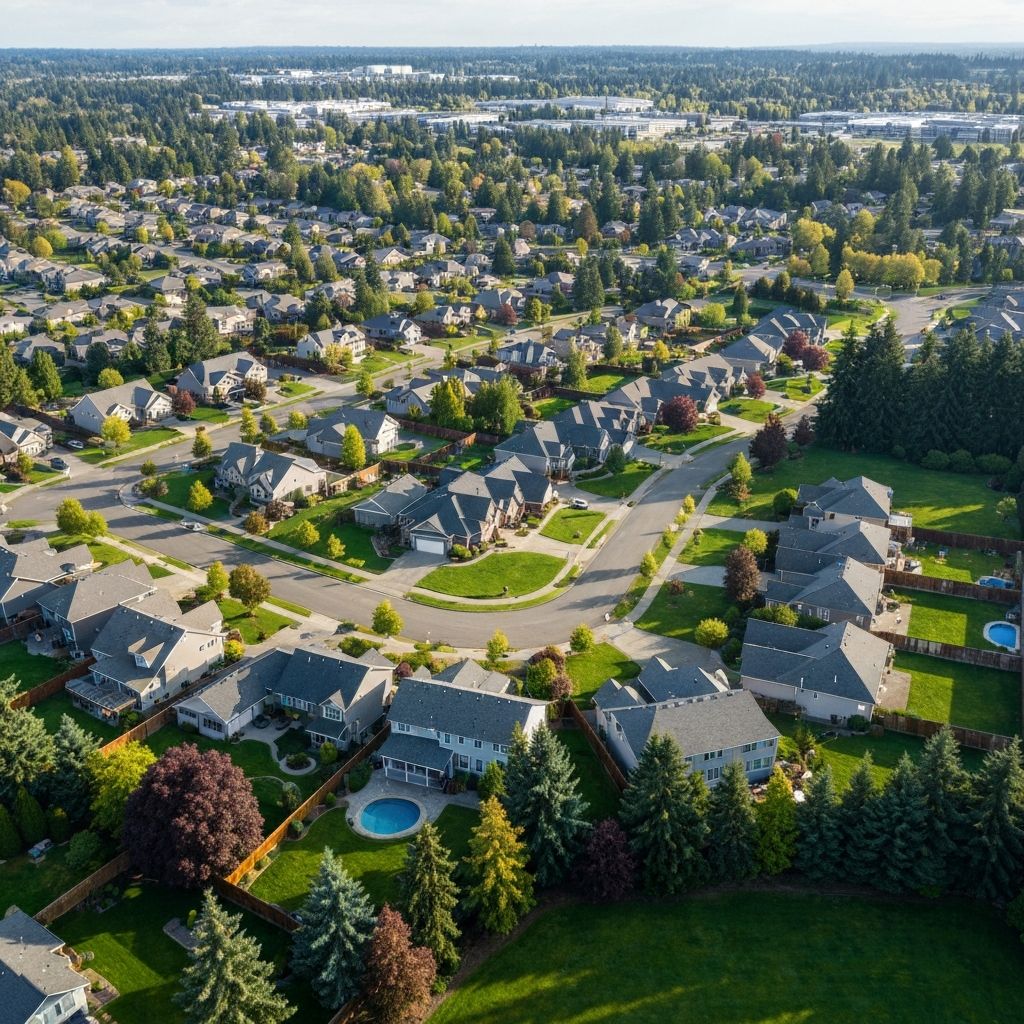 Nike Country
Beaverton
Nike World HQ, Intel campuses, diverse suburban communities, and the MAX light rail connecting to Downtown Portland.
Nike HQ, Washington Square, Tualatin Hills
Tech HubHillsboro
Intel's largest campus, clean tech industry, affordable homes relative to Portland proper, and family-friendly suburbs.
Intel Ronler Acres, Hillsboro Stadium, MAX Blue Line
How MOVEPack Works in Portland
Get competing bids from Portland movers in 4 simple steps.
Post Your Move
Describe your Portland move — size, dates, origin, destination, and any special items.
Movers Bid
Verified Portland movers compete for your business with transparent bids.
Pick Your Mover
Compare bids, read reviews, and message movers before choosing.
Move With Confidence
Your mover handles the rest. Pay only after your move is complete.
Portland Moving Guide
What Makes Portland Moves Different
Portland is one of America's most unique moving markets. The city has one of the highest residential turnover rates in the Pacific Northwest — driven by tech industry relocations, an active young professional population, and consistent inbound migration from California and the East Coast.
The geography is distinctive: the Willamette River divides East Portland from the westside, and bridges are a constant factor in move planning. Hills in the West Hills and NW neighborhoods create access challenges for large trucks. SE and NE Portland's grid of narrow residential streets require smaller vehicles or shuttle service.
Portland's rainy season (October through May) means most moves happen during a compressed dry-season window of June through September. Book 3–4 weeks ahead for summer moves, especially in high-demand neighborhoods like the Pearl District and SE Division corridor.
Portland Moving Cost Overview
Estimates only. Post free to get real bids.
Best Time to Move in Portland
Portland's weather has a bigger impact on moving than most US cities. Here's what to know by season.
Summer (Jun–Sep)
Fall (Oct–Nov)
Winter (Dec–Feb)
Spring (Mar–May)
Portland Neighborhoods — What Every Mover Should Know
Each Portland quadrant has its own character, housing stock, and moving challenges. Here's what experienced local movers know.
Pearl District & Old Town
High-Rise & LoftsPortland's most urban neighborhood — converted warehouse lofts and new luxury towers along the North Park Blocks. Nearly every building requires a freight elevator reservation 1–2 weeks ahead with HOA damage deposits of $200–$500. No weekend moves allowed in most Pearl buildings. Parking a 26-ft truck on NW Glisan, Hoyt, or Irving requires a city loading zone permit.
- Freight elevator required — reserve 2 weeks ahead
- Weekday moves only in most buildings
- City loading zone permit for truck parking
SE Portland — Hawthorne, Division, Belmont
Craftsman BungalowsPortland's most populated quadrant and its most eclectic. SE's grid of narrow residential streets between Burnside and Holgate is packed with early-1900s Craftsman bungalows on small lots. Many driveways are single-car only. The Division Street and Hawthorne Blvd commercial corridors create parking competition on weekends — schedule SE moves on weekday mornings.
- Narrow streets — smaller trucks often needed
- Small driveways on most bungalows
- Weekday morning moves avoid Division/Hawthorne congestion
NE Portland — Alberta Arts, Irvington, Alameda
Arts & ResidentialNE Portland is the city's largest quadrant by area, mixing the vibrant Alberta Arts District with established residential neighborhoods like Irvington and Alameda. Homes range from modest worker cottages near Alberta Street to large Craftsman and Colonial Revival homes in Irvington. Street access is generally better than SE, but NE Broadway creates traffic bottlenecks on weekday afternoons.
- Better street access than SE
- Irvington homes often have long driveways
- Avoid NE Broadway between 4–7 PM
NW Portland — Nob Hill, Pearl Adjacent
Hilly & UpscaleNW Portland's steep hills are the biggest moving challenge in the city. NW Westover Road, Lovejoy Street, and the Alphabet Streets (NW Irving, Johnson, Kearney) have grades of up to 15%. Large moving trucks cannot safely navigate some NW blocks. Many movers use a relay system — smaller truck up the hill, hand-carry to door. NW 23rd Ave parking is extremely limited.
- Steep grades — confirm truck can access your block
- Relay system common for hillside homes
- NW 23rd Ave parking permit required
Beaverton & Washington County
Suburban Tech CorridorBeaverton and Hillsboro make up the tech employment hub of the Portland metro — Nike, Intel, and dozens of semiconductor and clean tech companies. Housing ranges from modest ranch homes to new master-planned subdivisions. Gated communities around Nike campus and Washington Square require HOA gate registration. The MAX Blue Line corridor creates traffic congestion near stations during rush hour.
- HOA gate registration for gated communities
- Intel and Nike employee moves very common
- MAX corridor congestion 7–9 AM and 4–6 PM
Lake Oswego & Tigard
South SuburbsSouth of Portland on the Willamette River, Lake Oswego is one of Oregon's wealthiest cities with large lakefront estates and executive homes. Moves here often involve high-value art, antiques, and specialty furniture requiring white-glove care. Tigard sits between Lake Oswego and Beaverton — a family-friendly mid-range suburb with excellent access via I-5 and Hwy 217.
- White-glove service common for LO estates
- High-value item specialists recommended
- Good I-5 / Hwy 217 truck access in Tigard
Portland Moving Tips from Local Experts
What experienced Portland movers know that out-of-state companies don't.
Moving During Rainy Season
Portland averages 36 inches of rain per year — almost all of it falling between October and May. Professional Portland movers are fully prepared: waterproof moving blankets, plastic furniture wrap, and covered loading wherever available. Don't let rain stop you from booking — Portland movers work year-round.
Best practice: schedule early-morning start times in the rainy season to maximize daylight. Load electronics and wood furniture last and unload them first. Ask your mover if they have a covered loading dock or can stage items in a garage.
The Bridge Factor
Portland has 12 bridges crossing the Willamette River — and every East-to-West move requires using at least one of them. The Steel Bridge, Burnside Bridge, and Morrison Bridge carry the most moving traffic but are subject to closures, drawbridge openings, and heavy rush-hour congestion.
Experienced Portland movers plan bridge crossings strategically. For cross-river moves, schedule departures between 9 AM and 3 PM on weekdays to avoid rush-hour bridge backups that can add 20–45 minutes to your move.
Portland's Narrow Streets
Many of Portland's residential streets — especially in SE, NE, and the West Hills — are 20–22 feet wide with on-street parking on both sides. A standard 26-foot moving truck (8.5 ft wide) can barely pass another vehicle. Many Portland movers use 20-foot or 16-foot trucks for tight neighborhoods, sometimes doing two trips instead of one.
When posting your move, photograph your street from the sidewalk and include it in your listing notes. Movers will tell you in their bid whether they need to use a smaller truck and what that means for timing and cost.
August Wildfire Smoke
While summer is Portland's dry season and ideal for moves, mid-to-late August increasingly brings wildfire smoke from Eastern Oregon and California. Air quality can drop to unhealthy levels (AQI 150+) for days at a time, making outdoor work miserable and even dangerous for movers.
If you must move in August, check the AQI forecast at airnow.gov a few days before. June and early July remain the most reliably clear months in Portland for moving. Many movers now offer flexible rescheduling for smoke events — ask about this when getting bids.
Popular Move Routes from Portland
Where Portland residents move most — with realistic cost ranges from our bidding data.
Most common Portland interstate move via I-5
Tech corridor move — Nike, Intel employees
Upscale south suburb, waterfront homes
Cross-state move — no Oregon income tax advantage
Growing Oregon destination for PDX remote workers
Most common inbound long-distance route to Portland
Common outbound mountain west relocation
Cross-country inbound — NYC and NJ transplants
Most popular within-Portland neighborhood move
Estimates only. Post your move free to receive real competing bids.
Living in Portland, Oregon
Why People Move to Portland
Portland has spent years near the top of "most livable cities" lists for good reason. No sales tax, Oregon's mild climate, world-class food and beer culture, an extensive parks system anchored by the 5,200-acre Forest Park — the largest urban forest in the US — and a genuine culture of outdoor living make Portland one of America's most distinctive cities.
The tech and creative economy is strong: Nike World HQ in Beaverton, Intel's largest US campus in Hillsboro, Adidas North America in NE Portland, and a thriving startup ecosystem around the Pearl District and Lloyd District attract talent from across the country. Remote work has accelerated inbound moves from San Francisco, Seattle, and New York.
Portland is also one of America's most bicycle-friendly cities, with over 385 miles of bike lanes and the country's highest rate of bicycle commuting. The MAX light rail connects Downtown to Beaverton, Hillsboro, Gresham, and the airport — making Portland surprisingly easy to navigate without a car.
Portland Landmarks & Icons
Portland's Major Employers Drive Constant Move Demand
Portland's economy is anchored by global brands headquartered in the metro area. Nike's 400-acre World Headquarters in Beaverton, Intel's largest US campus spanning 700+ acres in Hillsboro, and Adidas North America in NE Portland together employ tens of thousands of workers — each rotation of staff generating hundreds of corporate relocations per year.
Corporate relocations have unique requirements: background-checked movers, certificates of insurance, specific move-in windows, and often white-glove service for executive households. MOVEPack's Portland movers include companies fully experienced with corporate relocation standards.
Portland Metro's Top Employers
Portland Moving Checklist
A complete timeline to keep your Portland move on track — from first bid to final walkthrough.
4–6 Weeks Before
- Post your move on MOVEPack — include your specific Portland neighborhood, home size, stairs, and any access notes
- Research freight elevator reservation requirements if moving to/from a Pearl District or Downtown condo
- Check the city loading zone permit process if your street requires a truck permit
- Photograph your street and driveway to share with movers so they can assess truck size
- Begin decluttering — Portland has great donation centers: Goodwill Outlet on SE Powell, Value Village, and Habitat for Humanity ReStore
2–3 Weeks Before
- Book your mover — confirm they know your specific neighborhood and have handled similar Portland moves
- Reserve freight elevator with HOA and pay damage deposit if applicable
- Notify Portland General Electric (PGE) or Pacific Power, internet, and trash services
- Update address with USPS, Oregon DMV, banks, employer, and voter registration
- Start packing non-essential rooms — label boxes by room and fragility
Move Week
- Check weather forecast — if heavy rain expected, confirm your mover's rain protocols
- Check AQI forecast in late July / August — confirm mover's smoke policy if AQI is above 100
- Confirm bridge crossing plan for any cross-river move
- Pack essentials bag — medications, chargers, toiletries, change of clothes
- Confirm freight elevator window and building management contact on move day
Move Day
- Be present when movers arrive — do a walkthrough and inventory together
- Confirm movers have floor runners, door frame protectors, and waterproof blankets
- Keep electronics and art inside until truck is ready — don't leave them exposed in rain
- Do a final walkthrough of your old home before handing over keys
- Inspect all items as they're unloaded and note any damage before signing
- Leave a review on MOVEPack to help future Portland residents find great movers
Portland Moving FAQs
How much does it cost to hire movers in Portland?
Portland local moves typically cost $350–$700 for a 1BR, $550–$1,100 for a 2BR, and $900–$1,800 for a 3BR. Prices vary based on neighborhood, stairs, distance, and time of year. Summer (June–September) is peak season with highest prices. Post your move on MOVEPack to get competing bids and find the best price.
What neighborhoods are hardest to move into in Portland?
The Pearl District requires freight elevator reservations 1–2 weeks in advance with HOA damage deposits. NW Portland's hilly streets can limit truck access. SE Portland's narrow residential streets sometimes require smaller shuttle trucks. Downtown Portland has strict loading zone rules. Always share your specific address with movers when posting.
When is the best time to move in Portland?
June through September is Portland's dry season — the best weather for moving. However, prices are 10–20% higher and availability is tighter. For the best balance of weather and price, March–May offers improving weather at lower off-peak rates. Winter moves (December–February) are cheapest but come with rain and short daylight windows.
Do Portland movers work in Beaverton and Hillsboro?
Yes. MOVEPack's Portland metro movers cover the full Washington County suburbs including Beaverton, Hillsboro, Tigard, Lake Oswego, and Tualatin. Long-distance movers also cover Salem, Eugene, and Bend. Specify your origin and destination when posting and metro-area movers will bid on your job.
How do I move during Portland's rainy season?
Professional Portland movers are fully equipped for rain — they use waterproof moving blankets, plastic wrap for furniture, and covered loading docks where available. Book early-morning start times in fall and winter to maximize daylight. Protect electronics and art by loading them last and unloading first. Your mover should never leave items exposed in rain.